


Wachusett: A Mountain of Mystery, Majesty, and Meaning
- Visit North Central
By Matt Landry
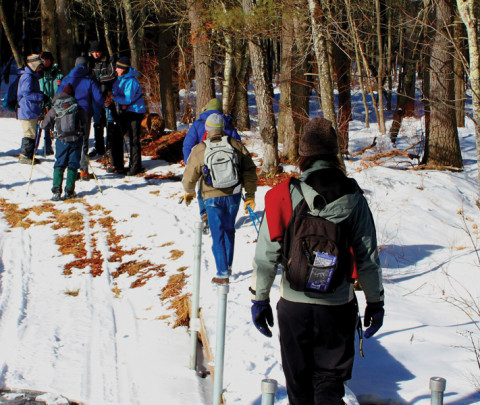
Most visitors today know Mount Wachusett for its vibrant ski culture, autumn festivals, and scenic hiking trails. But hidden behind the mountain’s rugged beauty is a captivating history rich with mystery, cultural heritage, and timeless allure.
A Name Rooted in the Land
The name Wachusett originates from the Algonquian-speaking Native American tribes who once lived in the region. Translations vary, but most agree it means either “mountain place” or “near the mountain,” a poetic nod to the landmark’s geographical and spiritual significance.
European exploration of the area began as early as 1632, when Massachusetts Bay Colony Governor John Winthrop recorded seeing “a very high hill, due west.” That high hill, of course, was Wachusett—then and now a sentinel of central Massachusetts.
Summit House Splendor
In the 19th and early 20th centuries, Wachusett became a sought-after destination, not just a scenic backdrop. Three summit houses were constructed at different times, offering panoramic views, mountain air, and a retreat from city life.
The First Summit House, a modest stone building erected in 1870, expanded in 1874 to accommodate growing interest.
The Second Summit House, built shortly afterward, featured 30 guest rooms and drew crowds of up to 30,000 visitors annually. In time, it even boasted a bowling alley.
The Third Summit House, completed by 1908, stood for decades before it was tragically destroyed by arson in December 1970—a moment many locals still remember.
Guests would ascend the mountain by horse-drawn carriage, and later by automobile, to enjoy dining, dancing, and stargazing. Though the buildings are long gone, their stories linger in the mountain breeze, echoing with memories of summer nights and music under the stars.
The Haunting of Lucy Keyes
Mount Wachusett’s lore isn’t without its ghost stories. One of the most enduring legends involves Lucy Keyes, a four-year-old girl who vanished into the woods in 1755 while following her sisters near the family’s Princeton farm. Despite massive search efforts, Lucy was never found.
Her mother, Martha Keyes, refused to give up hope, and neighbors often reported hearing her wandering the woods at night, calling “Luuuuuucy.” Some believe her spirit—and perhaps Lucy’s—still haunts the mountain trails. Hikers on Pine Hill Trail have claimed to hear faint voices drifting through the trees.
The legend inspired the 2006 feature film The Legend of Lucy Keyes, which premiered at the Santa Barbara Film Festival, introducing a new generation to Wachusett’s eerie past.
Writers, Warriors, and Wilderness
Wachusett’s magic also drew some of the 19th century’s most prominent literary minds. Henry David Thoreau chronicled his ascent in his 1842 essay “A Walk to Wachusett”. Reflecting on the solitary grandeur of the peak, he wrote:
“But special I remember thee, Wachusett, who like me, Standest alone without society. Wachusett is, in fact, the observatory of the state…”
Other visitors included Ralph Waldo Emerson, Louisa May Alcott, and John Greenleaf Whittier, who found creative inspiration in the mountain’s sweeping views and peaceful woods.
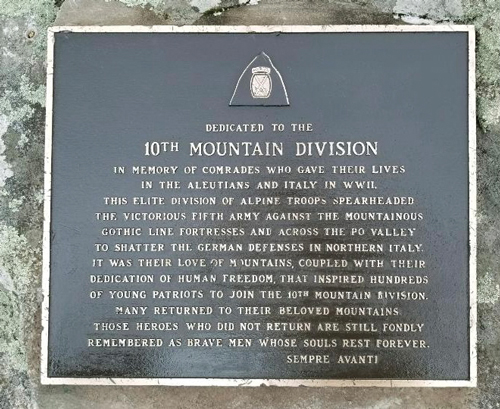
In the 1930s, the land saw a different kind of preparation—as trails were cleared for recreation, many were later repurposed as training grounds for the 10th Mountain Division, which would go on to fight in the rugged terrains of World War II.
Preserving the Past
Though the summit houses are gone, and the ghosts of Wachusett may never speak, the mountain remains a living monument to centuries of stories, both told and untold.
To learn more about Mount Wachusett’s history:
- Visit the Princeton Historical Society
- Explore the Princeton and Westminster Public Libraries
- Purchase “A Hiking and History Guide to Mount Wachusett” at wachusettguide.com
- And visit the region’s Johnny Appleseed Visitor’s Center 1000 Route 2 Westbound, Lancaster